When your nonprofit plans a fundraising event, it’s important to maintain high levels of participant engagement to give everyone the most enjoyable and memorable experience possible. At the same time, events often come with high upfront costs. Incorporating multiple revenue streams into your event fundraising can significantly boost your return on investment (ROI), and maximize the funding that goes toward your mission.
Fundraising revenue enhancers help your nonprofit achieve both of these goals. In this guide, you’ll learn all you need to know about these activities, including:
- Fundraising Revenue Enhancers FAQ
- Raffle-Style Fundraising Revenue Enhancers
- Other Ideas for Event Revenue Enhancers
Let’s get started by defining what a fundraising revenue enhancer is and reviewing how to choose the right one for your organization.
Fundraising Revenue Enhancers: Frequently Asked Questions
What are fundraising revenue enhancers?
Fundraising revenue enhancers are activities that bring in additional monetary contributions during a nonprofit event but aren’t the primary focus of that event. Raffles and similar games are among the most popular event revenue enhancers, but they aren’t the only possibilities available to your organization.
Fundraising revenue enhancers can accompany nearly any event, from galas to golf tournaments to walkathons. Of course, some ideas will be better suited to accompanying certain events than others, but you should have many options regardless of what event your organization is hosting.
Why choose a silent auction alternative as a revenue enhancer?
Silent auctions are among the most common event revenue enhancers, not only because they tend to be highly engaging and lucrative, but also because they naturally elevate any event’s prestige. A charity race may seem like a casual athletic event with a low monetary barrier to entry, but a charity race accompanied by a silent auction becomes a highly organized fundraiser that appeals to runners and non-runners alike and attracts donors at various giving levels.
However, silent auctions are typically expensive, even if you offset some upfront costs through strategic item procurement. Plus, it’s time-consuming to secure prizes, price them, create bidding materials and displays, and manage checkout procedures after your event. Your team might find your “supplementary” silent auction just as challenging to organize as your main fundraiser!
If you choose among the many silent auction alternatives instead, you might have to incorporate more than one revenue enhancer into your event to raise the same amount that you would have brought in from a silent auction. But going the alternative route provides even more ways to engage participants, and you’ll still probably spend less time and money on supplementary activities up front.

What considerations are important to keep in mind with fundraising revenue enhancers?
To choose the right revenue enhancers for your nonprofit’s next event, you should consider:
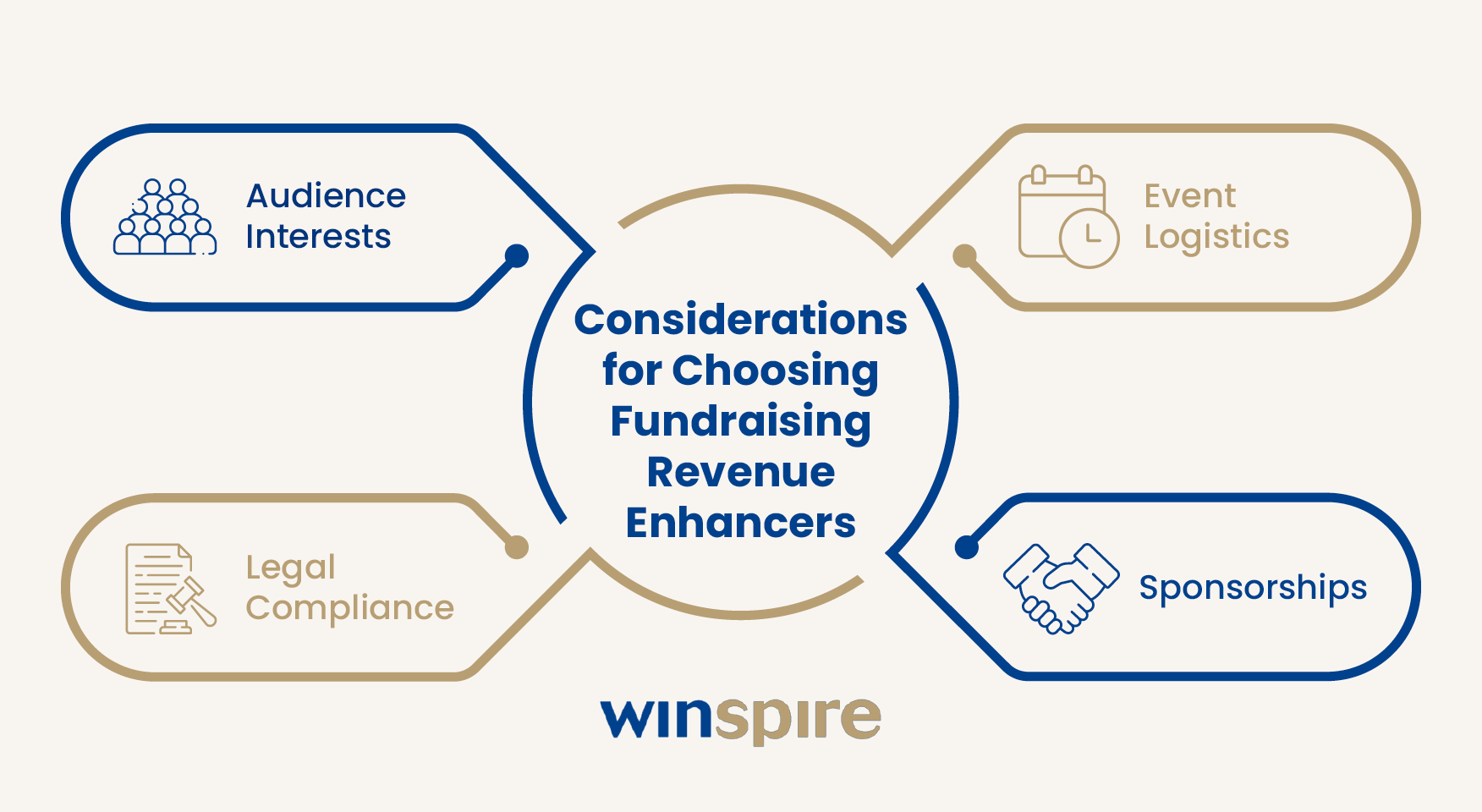
- Audience interests. Any aspect of a fundraising event can only be as successful as your unique supporter base’s interest in it. For example, if your target audience is health-conscious, a cake walk might not be the best game to incorporate into your event. However, they may enjoy a mystery box raffle with wellness-related prizes like a voucher for a gym membership or earbuds designed for working out instead.
- Event logistics. Your revenue enhancers need to fit naturally into the flow of your main event. For instance, a reverse raffle takes a long time to complete, so it would be more effective at a gala where supporters came to be entertained than at a golf tournament where participants have already spent upwards of three hours playing a sport before they’re asked to sit through a long drawing.
- Sponsorships. Corporate partners might be willing to help you out with your revenue enhancers, just like any other aspect of your event. Different businesses will provide different levels and types of support, though. So, you may pick your activities based on whether your sponsors made monetary or in-kind contributions, how much they gave in the former case, and what goods or services they donated if they chose the latter option.
- Legal compliance. Although raffles are popular event add-ons, the laws around hosting and registering them vary by state. Make sure raffles are legal in your area, your nonprofit meets any eligibility requirements, and you secure all necessary permits or licenses before incorporating them into your events (or choose different activities if you can’t run one legally).
If you keep these factors in mind while planning supplemental fundraising activities, you’ll be more likely to reap their full benefits during your events.
Raffle-Style Fundraising Revenue Enhancers
You’re probably familiar with how a raffle works: supporters purchase tickets, you record their entries, you pick a ticket at random, and whoever made that entry wins a prize. Although that tried-and-true format can still work as a fundraising revenue enhancer, here are a few ideas for raffle and game formats you can try if you want to put a creative twist on a classic.
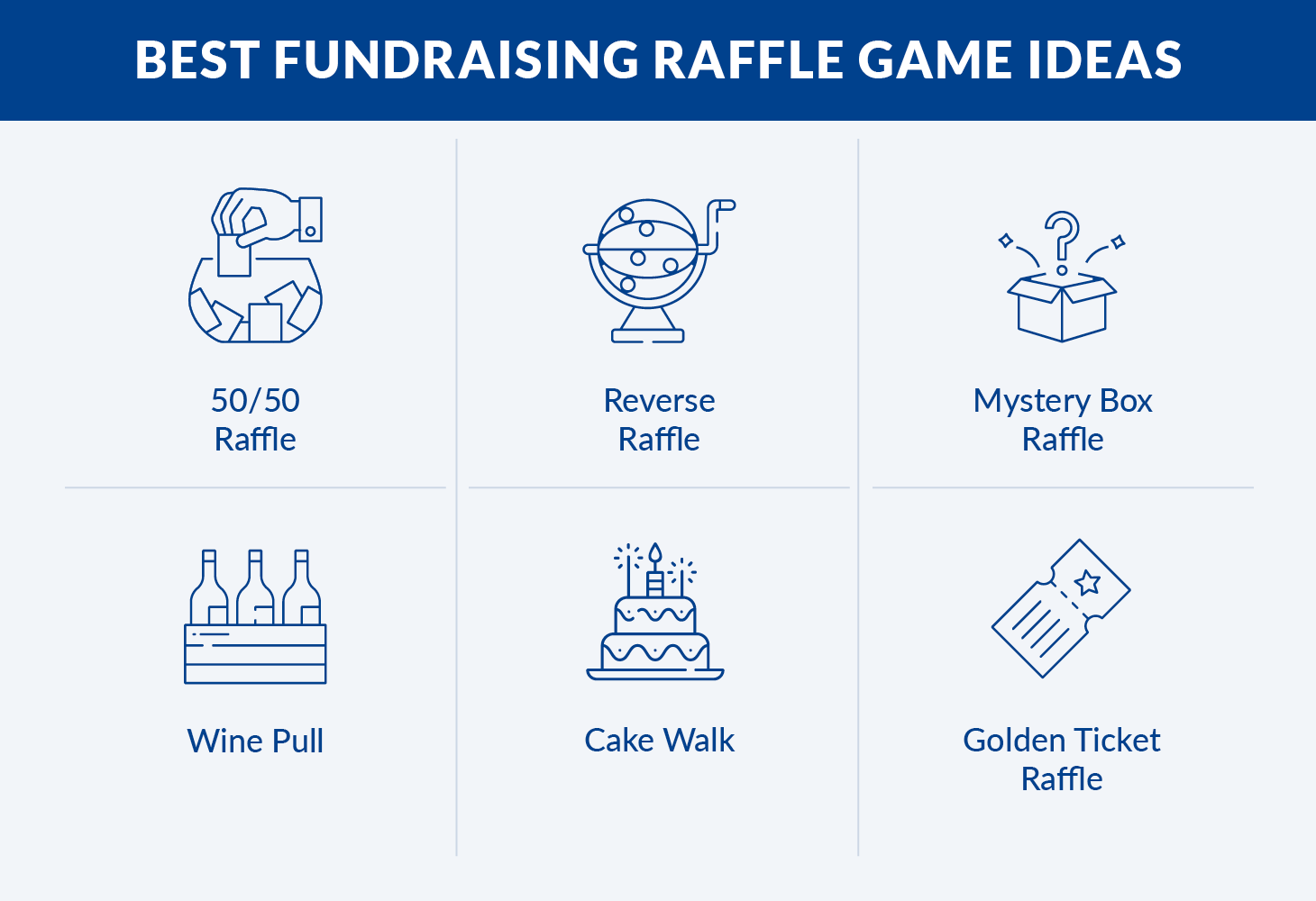
50/50 Raffle
In a 50/50 raffle, participants provide the prize—cash! All you have to do is sell raffle tickets, which will add money to the prize pot. At the end of the raffle, 50% of the total amount contributed goes to the winner, and your nonprofit keeps the other 50% to support its mission.
Since you don’t have a physical prize with a definitive value, setting a ticket price for a 50/50 raffle can be tricky. Consider how many tickets you could feasibly sell, then determine the ideal grand prize and your organization’s share if you hit that number. For example, if you think you could sell 200 tickets, you might set the price at $20 each, so the grand prize would be $2,000 and your nonprofit would earn $2,000.
Reverse Raffle
A reverse raffle is very similar to a traditional raffle, except that instead of the winner being the first ticket drawn, the last ticket left in the bowl wins. Although this type of drawing takes a long time, it creates extra excitement and suspense as participants hope that their ticket isn’t the next one chosen.
If you don’t have time at your event to pull hundreds of tickets out of a bowl one by one, you could also turn this game into a “random raffle.” That way, you can pick a number where you’ll stop the drawing (perhaps a significant one to your organization or event, like 25 if you’re hosting a gala for your nonprofit’s 25th anniversary) to create some additional suspense while getting through the raffle more quickly.
Mystery Box Raffle
For this game, gather and decorate small boxes, paper bags, or mason jars (which should be opaque when you’re finished). Have each participant buy a box as their raffle entry, and at a designated moment during the event, ask everyone to open their boxes.
Some boxes will contain small prizes like gift cards, sweet treats, or handmade jewelry—you could offer a random selection or pick a theme depending on audience preferences. Others may just contain a piece of paper saying something like, “Thank you for your support—better luck next time!” And one lucky participant should open their box to find a certificate to redeem for a larger item or experience that serves as the raffle’s grand prize.
Wine Pull
This game is similar to the mystery box raffle but with a more elaborate payoff for participants aged 21 and up. Set up a wine rack with a wide selection of wrapped wines (to hide their label) and have supporters pay to choose a random bottle of wine as their prize. Try to get a wide selection of wines for your wine pull, ranging from cheap varieties available at grocery stores to pricey, hard-to-find vintage bottles, to add to the game’s mystery.
To make a wine pull even more exciting, attach pieces of paper to the bottom of certain bottles of wine. Participants who pull these bottles will win additional prizes that align with the game’s theme, from charcuterie board sets to tickets for a vineyard tour and wine-tasting event. For a version of this game that includes event participants who don’t or can’t drink alcohol, you could have entrants pull a lollipop out of a jar that may or may not have a prize certificate attached.
Cake Walk
A cake walk is a bit like musical chairs in reverse, with a sweet surprise for each winner. First, gather a variety of cakes or other baked goods, which can be homemade by individual supporters or donated by a bakery or grocery store sponsor. Either way, make sure to have some prepackaged allergy-friendly treats on hand so supporters with dietary restrictions can participate safely.
Place numbered dots in a circle on the floor of your event venue, and have participants walk around the circle to music. When the music stops, draw a number out of a bowl, and the person standing on the dot with the corresponding number wins a cake of their choice. Charge a fee to participate in each round, and consider offering a discount to encourage supporters to enter multiple rounds (for example, you could ask $5 per round but $12 for three rounds).
Golden Ticket Raffle
If you secure a raffle grand prize that’s particularly elaborate, a golden ticket raffle is an enticing way to present it to a supporter. Seal opaque envelopes before your fundraiser, and have supporters purchase them as their entries into the raffle. Make sure your entry price aligns with the grand prize’s value—many organizations charge $100 or more per envelope for this game.
At a designated time during the event, have participants open their envelopes, and one lucky winner will experience the childlike joy of having found the golden ticket! To pick a worthy prize for this type of raffle, think front-row tickets to the concert tour of the summer, a VIP experience at a championship sporting event, or a vacation package to a bucket-list destination.
Explore Raffle Prize Procurement With Winspire
If a travel package sounds like a great grand prize for your next fundraising raffle, you’ve come to the right place! At Winspire, we curate and sell a variety of vacations (known as Experiences) that are specifically designed for nonprofits like yours to use as raffle and auction prizes. Your organization can get started with Winspire in four easy steps:

- Choose the Experiences you want. If you aren’t sure which trips would appeal to your organization’s unique audience, our Event Fundraising Specialists are happy to help you narrow down the list or even design a custom package for your nonprofit.
- Promote them to your supporters. Winspire will provide professional-grade photos of each destination that you can use to market your revenue enhancers before and during your event.
- Offer them at your event. Winspire Experiences are risk-free for your nonprofit to use because you only pay for what you sell, you can award each one multiple times, and every dollar you earn above the Nonprofit Cost (list price) goes directly to your mission.
- Winners redeem their packages. After your event, simply provide your raffle winner with a voucher to book their trip through Winspire, and we’ll handle all of the logistics with no additional work required for your organization.
Travel packages often require a lot of effort and resources to put together, but Winspire makes offering these appealing prizes easy and affordable for your nonprofit. Since our company’s founding in 2008, we’ve helped organizations across North America raise more than $110 million for their missions!
Other Ideas for Event Revenue Enhancers
If you’re looking for supplemental fundraising activities that aren’t raffles, we’ve got you covered there, too! Feel free to browse through the rest of our list or use the spinner below to figure out the best way for your organization to boost its event fundraising efforts.
VIP Tickets
Tiered ticket pricing is among the easiest ways to earn extra revenue during your event. Set a baseline entry fee for a general admission ticket and provide any discounts you typically would for early-bird signups or members of your organization, but also add another level where supporters can pay more for extra perks.
The tricky part about VIP tickets is making the benefits of the higher tier worth the cost for participants, especially for events like galas, where there are many possibilities for perks. Consider surveying loyal supporters or past attendees of the same kind of event to get an idea of what benefits they’d value and how much they’d be willing to pay for a ticket, then develop your VIP experience accordingly.
Text-to-Give
Physical donation boxes or jars were once a useful strategy for collecting additional event contributions, but as digital transactions have increased, nonprofits have needed to adapt accordingly. Text-to-give makes donating during your events convenient for supporters, since they only need their smartphones to contribute.
When you sign up with a text-to-give provider, your organization will be assigned a shortcode, which is usually a five- or six-digit number that supporters text a custom keyword to. To track how many gifts come in via text during specific events, choose unique keywords for each one—for example, an animal shelter that calls their annual golf tournament Caddy Fore Cats might pick the keyword CADDY4CATS26. Once supporters text the keyword to the shortcode, they’ll receive simple instructions to complete their gift on their mobile device.
Golf Course Games
Although charity golf tournaments bring in lots of revenue and appeal to supporters who are already avid golfers, they can sometimes alienate individuals who are beginners in the sport. One solution to this problem is to incorporate on-course games into your tournament that allow golfers of all skill levels to take a swing at a fun challenge.
The possibilities for golf course games are endless, whether you have participants play a hole using only their non-dominant hand, putt with random objects, or tee off by shooting their ball out of an air gun. Charge a fee to participate in each game or secure game-specific sponsorships, and award prizes to top participants.
T-Shirt Sales
What better way to remember a fundraising event than to buy a commemorative t-shirt? Whether your nonprofit already designs and sells custom merchandise or is just getting started, there are plenty of design and production companies that are happy to create t-shirts for a good cause—and provide graphic guidance and ordering discounts along the way.
T-shirts are also a great way to get your supporters to spread the word about your nonprofit. When event participants wear their shirts in public, they advertise your mission throughout your community, which can spark conversations about your organization or lead people to look you up online. Either way, this word-of-mouth marketing can drive up attendance at future events!
Social Media Contest
Another way to spread word of mouth about your fundraisers while generating revenue is through social media contests. You can run these competitions before, during, or after your events and across various social media platforms (Facebook, Instagram, X, TikTok, etc.). Simply give participants guidelines about what types of photos or videos to share, ask them to tag your organization in their post and use an event-specific hashtag in the caption, and watch the content come in!
Set a deadline for all posts to be live, then review all of the posts with your event hashtag with your team and pick five to 10 finalists. Publish these posts to your website with each account owner’s permission, and have supporters vote for their favorite post with their dollars. Then, the post that brings in the most money by the time voting closes wins a small prize for the poster.
Corporate Giving
Sponsorships aren’t the only way local businesses can support your nonprofit’s events. Some companies may also contribute based on their employees’ participation in your event, whether they match the additional donations participants make or provide volunteer grants after employees contribute their time to your event.
To take full advantage of corporate giving programs in your area, you’ll need to do your research. Some organizations have additional requirements for their programs, such as minimum donation thresholds or numbers of volunteer hours, so employees would either need to meet these through your event or contribute more money or time in other ways. It’s also important to let supporters know about these opportunities, prompt them to check their eligibility, and remind them to submit their information to their employers throughout the process.
Wrapping Up: Additional Resources on Nonprofit Event Planning
The ideas in this guide are just a few of the many possibilities for fundraising revenue enhancers that your nonprofit could try during its next event. Once you test out some possibilities, track participation and revenue numbers for each one and gather supporter feedback on those activities so you know which ones to consider replacing or modifying and which ones are hits that you’ll use again at future events.
For more information on nonprofit event planning, check out these resources:
- 60+ Exciting Raffle Basket Ideas for Fundraisers in 2026. Discover a variety of themed gift basket ideas that you can use as prizes for supplemental fundraising activities.
- 9 Charity Event Marketing Strategies to Boost Engagement. Explore ideas for promoting your nonprofit’s events across multiple platforms to increase attendance and revenue.
- How to Develop Effective Silent Auction Rules + Template. If you still choose a silent auction as your revenue enhancer, learn how to make it run smoothly in this guide.


Jason Champion – Vice President of National Accounts at Winspire
Jason Champion is the Vice President of National Partnerships at Winspire, a global provider of bucket-list vacation experiences for charity auctions and fundraisers. He is responsible for overseeing and managing relationships with major clients and partners across the country, which involves developing and executing strategic plans to drive revenue growth, expand market share, and ensure client satisfaction. Jason also collaborates closely with Winspire team members in sales, marketing, and other relevant departments to align business objectives with customer needs.